In short
- Book the 8:00 AM entry slot.
- Visit during the dry season (December to April).
- Allow 1.5 hours to drive from San José.
In this article
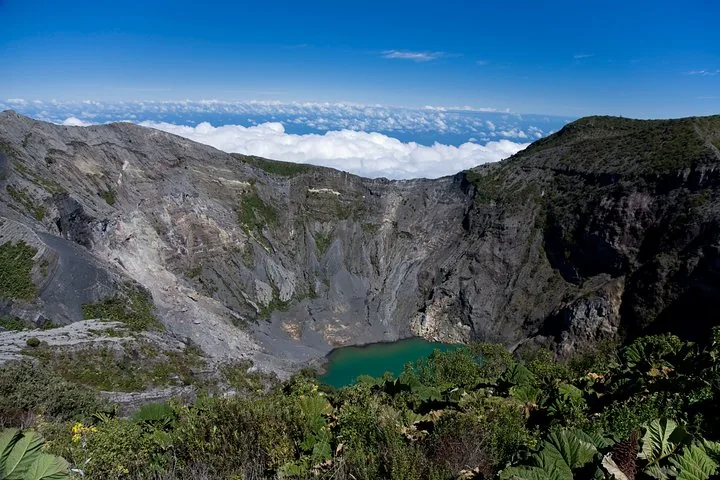
Timing is everything when visiting Costa Rica's highest volcano. At 11,260 feet (3,432 meters) above sea level, the summit creates its own weather patterns. If you arrive too late, you will likely stare into a wall of white fog instead of a crater lake.
What is the best time of day to go to Irazú?
The best time of day to visit is right when the park opens at 8:00 AM.
Thick clouds typically roll into the Main Crater Viewpoint by mid-morning. Booking the earliest available entry slot gives you the highest chance of seeing the crater and its lake. Pre-booking a timed entry slot online through the SINAC website is mandatory before you arrive.
What is the best time of year to visit Irazu Volcano?
The dry season, from December to April, is the best time to visit Irazú Volcano.
During these months, you have a much higher chance of clear, sunny mornings. While the park is open year-round, the rainy season brings thicker cloud cover and frequent showers. These weather patterns can obscure the view entirely.
How early should I leave San José?
Leave San José by 6:30 AM to reach the crater for the 8:00 AM opening.
Irazú Volcano National Park is located about 34 miles (55 km) east of the city. The drive takes approximately 1.5 hours via the Pan-American Highway to Cartago and up the paved mountain road. A standard sedan is fine, and no 4x4 is needed.
What happens if I arrive later in the day?
If you arrive after 10:00 AM, clouds will likely block the crater view.
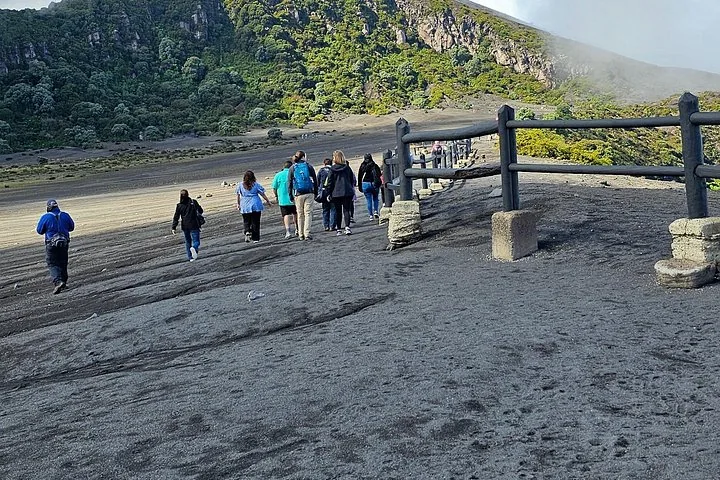
The last entry permitted into the Irazú Crater Sector is at 2:00 PM. Late arrivals still require a pre-booked SINAC ticket. Even if the main crater is clouded over, you can still walk the summit sector to see the Diego de la Haya Crater's steep ash deposits.

How does the weather change throughout the day?
Temperatures remain cold all day, dropping to 41–48°F (5–9°C).
Weather changes rapidly at altitude. Even if it is warm in San José or the Orosi Valley, the summit requires a warm jacket and long pants. Rain can start suddenly, so bring a poncho even if the morning starts clear.
Questions travellers ask
Can you see the crater lake at Irazu Volcano?
Yes, but visibility depends entirely on the weather. Arriving at 8:00 AM during the dry season gives you the best chance to see the green or turquoise rain-fed lake in the main crater.
Do I need to book Irazu Volcano in advance?
Yes. Pre-booking a timed entry slot online through the SINAC website is mandatory. No tickets are sold at the gate.
Is Irazu Volcano active?
Yes, Irazú is Costa Rica's highest active volcano, peaking at 11,260 feet (3,432 meters) above sea level.